You look across your property, and something feels wrong. Brush creeping into walking paths. Shrubs choking young trees. Good timber losing ground to plants that never quit. What started small now spreads like it owns the place.
That’s exactly how invasive plants behave.
Our invasive species control services in Ohio and Pennsylvania are built to stop the takeover at the root. We focus on targeted treatments that shut down regrowth, open the canopy, and give native plants room to thrive again instead of fighting for scraps.
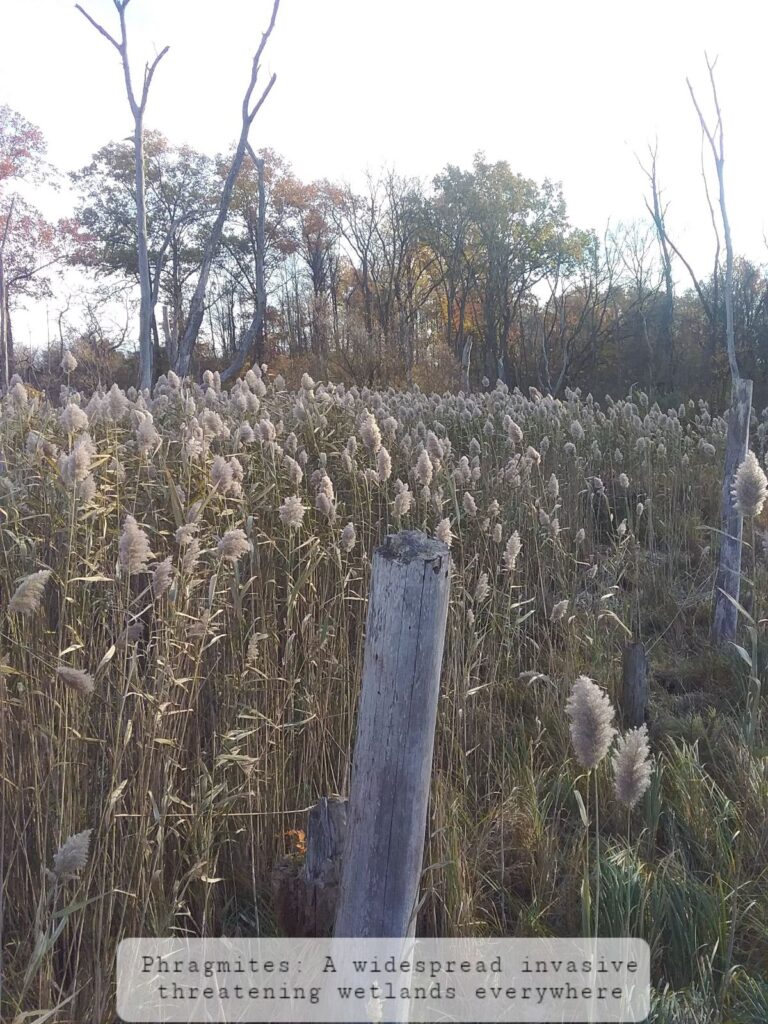
We meet you on-site and evaluate what is growing, how dense it is, and where it is moving.
You receive a plan based on acreage, plant type, and severity. Most projects are priced by the acre with a long-term view.
Sun hits the ground where it should and native plants take their space back. Trails open up, and the woods feel alive instead of crowded.
Many invasive plants bounce back stronger after cutting. Our methods attack the root system and limit rebound so you’re not stuck chasing the same plants every season.
We rely on spot treatment, cut‑stump work, and selective applications. That means less chemical drifting and better control where it matters.
We know what to remove and what to leave. That knowledge saves native species and keeps useful growth from getting wiped out in the process.
Invasive control works best with a multi‑year approach. We factor in soil seed banks and seasonal cycles so your land does not fall right back into the mess.
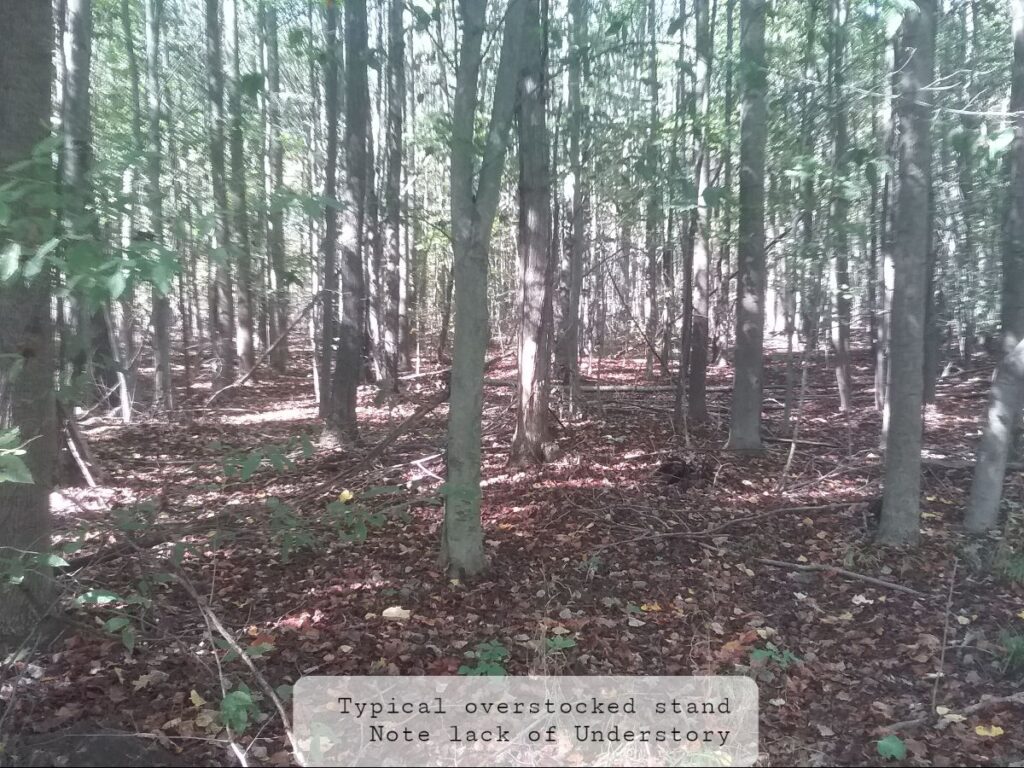
Hills, wetlands, thick understory, tangled woods — we work where machines and formulas fail. Your terrain does not scare us off.
If you searched for invasive species control near me, chances are the problem has already gone past the “wait and see” stage.
This is how land gets lost…slowly, quietly, then all at once.
Let’s stop the spread, bring back what belongs, and put you back in control of your ground without guessing or wasting time. Contact Grand River Forestry to get started.
Invasive species are plants that do not belong in this region and spread faster than the land can handle. Over time, they turn healthy woods into crowded thickets and leave young hardwoods fighting for survival instead of maturing into strong timber.
Most projects run two to three years depending on density and seed pressure. Each year lowers regrowth and lightens future work.
Yes, we apply materials using professional guidelines with methods that limit exposure to surrounding plants and wildlife.
Some rebound is common early due to buried seeds. Proper follow-up dramatically reduces long‑term return.
Yes. These are among the most common invasives we handle across Ohio woodlands. Some of the most common plants we eradicate are honeysuckle, multiflora rose, autumn olive, phragmites, and garlic mustard.
We work with private landowners, municipalities, and conservation programs on small parcels and large acreage alike.
Our main service area is Northeast Ohio, with select work in western Pennsylvania depending on scope.